Marketing optimization: The evolution from analysis to AI
Published on December 05, 2025/Last edited on December 05, 2025/9 min read
Team Braze
Marketing teams spend months planning campaigns—but performance doesn’t always match the effort. Some ideas take off, others fall flat, and understanding why often happens too late to make a difference.
Marketing optimization helps brands to learn fast and adapt quickly, using data to make each campaign stronger than the last and boost ROI across channels. With agentic AI, autonomous decisions are made to optimize customer experiences through experimentation, 1:1 decisioning, and continuous learning.
In the 2025 Global Customer Engagement Review, Braze found that top-performing brands are 16% more likely to use intelligence tools to optimize message performance, showing how smarter systems lead to measurable results.
This guide explores how this shift in digital marketing is transforming optimization, moving from analysis to intelligence, and discusses what it takes to build an optimization strategy that learns and improves every day.
Contents
What is marketing optimization (and why does it matters more than ever)?
Key components of modern digital marketing optimizationThe role of AI in marketing optimization
Common barriers to effective marketing optimization
Three steps to building an AI-driven marketing optimization framework
How Braze powers continuous optimization
Examples of optimization in action
Final thoughts on marketing optimization
What is marketing optimization (and why does it matter more than ever)?
Marketing optimization is an ongoing process that uses what’s happening right now to improve how campaigns perform and how customers experience them. It helps brands stay responsive.
Traditional campaign optimization vs. continuous learning
Traditional campaign optimization often meant waiting for results and adjusting later. Continuous learning makes improvement part of the process.
Optimization connects the signals marketers see every day—data, behavior, and results—so they can make confident decisions while campaigns are live. With AI and marketing automation, systems can read patterns as they form and adapt creative, timing, or delivery on the spot. Each interaction adds context, helping teams communicate with precision and keep performance moving forward. And with that distance between learning and action shortened, they can create experiences that feel tailored to each individual.
Marketing optimization matters more than ever because consumers are now exposed to many platforms and channels, and so attention is harder to get and loyalty is harder to keep. With data-driven marketing and AI optimization, brands can build and continuously improve momentum, with each message helping the next one work harder.
Key components of modern digital marketing optimization
Modern marketing optimization relies on connected systems that learn, adapt, and act quickly. Three components make that possible—real-time data, intelligent decisioning, and coordinated execution across every channel. Your marketing optimization strategy will depend on your business goals and the capabilities of your tools and customer engagement solution.
Real-time data and connected customer profiles
Optimization starts with accurate, unified data. When every action and interaction updates instantly, marketers gain a live view of behavior and intent. Connected customer profiles bring this data together, making it possible to respond to what people are doing right now, not what they did last week.
Predictive AI for better business outcomes
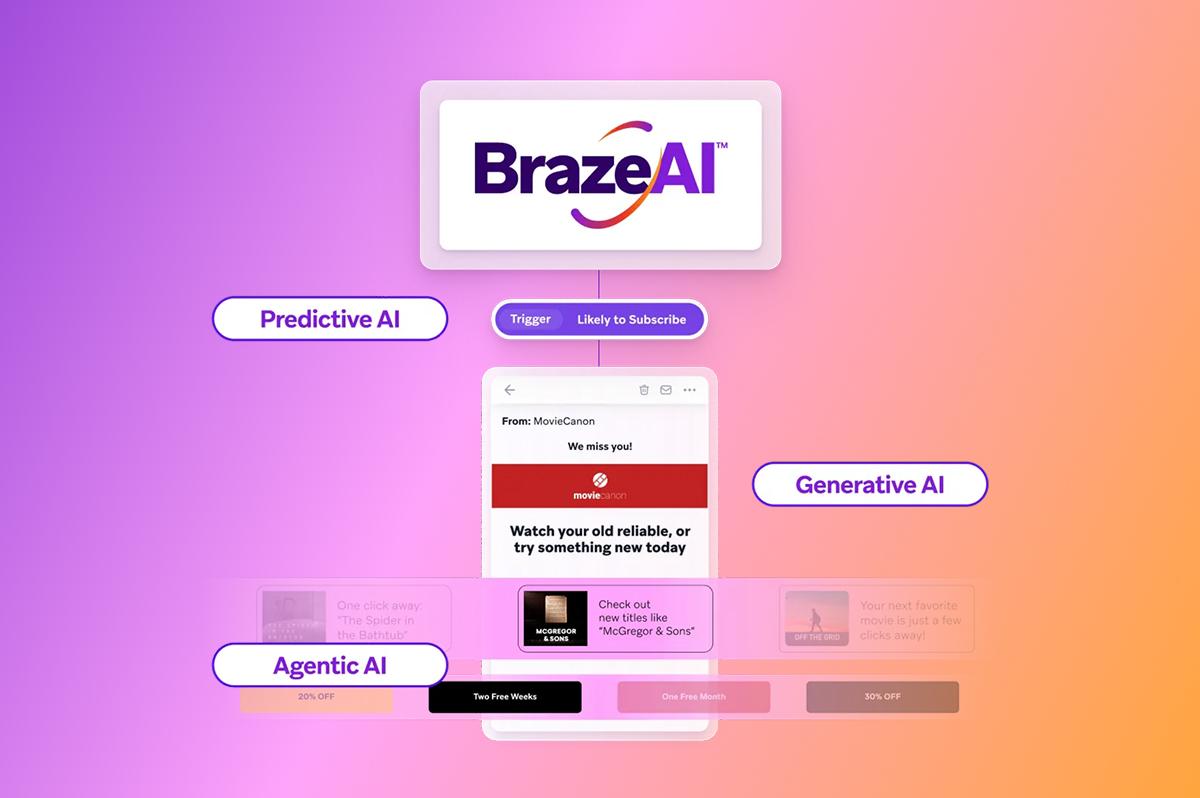
Predictive AI turns customer data into insight that drives smarter decisions. By using predictive analytics and machine learning, it finds patterns in behavior, and identifies signals of intent. It helps marketers anticipate what customers are likely to do next.
Using supervised and unsupervised learning, these models transform raw data into knowledge, revealing affinities, trends, and opportunities that might otherwise stay hidden. This deeper understanding allows teams to target more effectively and make business decisions with greater confidence.
Campaign optimization for faster results
Continuous campaign optimization uses automation to refine performance while campaigns are active. Creative, timing, and targeting can be adjusted as results emerge, so teams spend less time guessing and more time improving outcomes.
Cross-channel orchestration for maximum impact
When every channel works in sync, optimization compounds. Email, push, SMS, and in-app messages reinforce each other, creating experiences that feel relevant and connected wherever the customer engages.
The role of AI in marketing optimization
AI gives marketers the ability to learn from every interaction and quickly act on insights. Instead of testing one idea at a time, teams can now run adaptive experiments that optimize messaging, timing, and channel delivery in real time. Here are a few ways brands can do this.
From A/B testing to adaptive learning
A/B testing has long helped marketers compare versions and measure impact, but it relied on fixed test groups and slow analysis. Adaptive learning replaces that static setup with models that continually shift traffic toward the strongest performers, accelerating both results and learning.
Contextual bandits and reinforcement learning concepts
More advanced AI techniques, such as contextual bandits and reinforcement learning, bring optimization closer to real-world behavior. These models learn from each user’s context—like time of day, location, or engagement history—and adjust campaign delivery to match what’s most likely to succeed next.
Predictive segmentation and message optimization
Predictive segmentation uses machine learning to group customers based on shared behaviors and future intent. When combined with message optimization, marketers can test and tailor creative for each audience automatically, turning data into personalized experiences that perform better with every send.
Common barriers to effective marketing optimization
Even the most capable teams can struggle to keep optimization consistent. The challenges usually come down to disconnected systems, slow processes, and limited visibility into how everything fits together.
Siloed data and tools
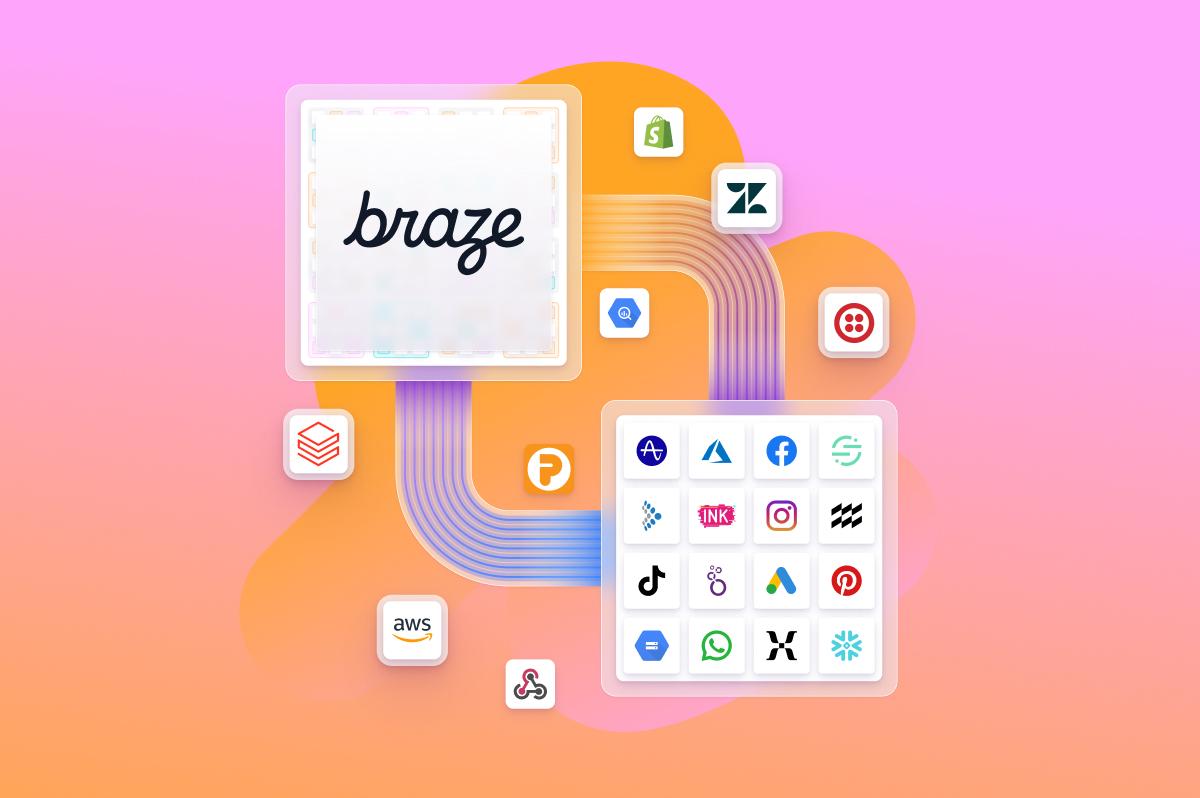
When data sits in separate platforms, teams lose the full picture of their customers. Insights stay stuck in dashboards instead of being used to drive action, and so bringing data and tools together makes it easier to see what’s happening and respond in real time.
Manual decision-making and campaign lag
When every adjustment requires a report, a meeting, or approval, things slow down. By the time changes are made, customer behavior has often moved on. Automation helps remove that delay so teams can act on live results.
Lack of unified performance visibility
Without a shared view of performance, channels and teams can work against each other. When metrics align around shared goals, it’s easier to see what’s working, where to improve, and how every campaign contributes to the bigger picture.
3 steps to building an AI-driven marketing optimization framework
Creating an AI-driven framework means designing a system that connects goals, data, and automation so teams can make confident, informed decisions. Here’s how to lay the groundwork in three easy steps.
Step 1: Define measurable goals and metrics
Start with clarity. Decide what you want to achieve—for example, improving retention or driving revenue—and choose the metrics that will show real progress. A clear connection between goals and data keeps optimization focused on results that matter for both the business and the customer.
Step 2: Unify data across engagement channels
Optimization depends on having a full view of your customers. Combine behavioral, transactional, and preference data into one shared source so every campaign works from the same foundation. When insights update in real time, teams can react quickly as customers move between channels, keeping communication consistent and meaningful.
Step 3: Test, learn, and evolve through automation
Automation gives testing structure and speed. Instead of setting up one-off experiments, use machine learning to track performance continuously and make adjustments as patterns change. Each cycle of testing and refinement adds new insight, helping campaigns perform better and teams move faster as time goes on.
How Braze powers continuous optimization
With Braze, optimization happens as part of everyday work. The platform connects customer data, experimentation, and AI decisioning inside a single, easy-to-use platform, so brands can act on insights as they surface.
Campaigns learn automatically, and adjustments take mere seconds instead of days, leaving teams free to focus on creativity instead of coordination. Three capabilities make this possible:
- Intelligent Selection for real-time personalization: Adaptive models using agentic AI choose the best message, channel, or offer for each individual in the moment, helping teams deliver personalization that scales.
- Automated experimentation with multivariate testing: AI tests and learns across multiple versions of creative, timing, and targeting at once—accelerating performance gains without extra manual work.
- Data activation and journey orchestration: Real-time data connects every channel, so experiences stay consistent as customers move between touchpoints. Each interaction helps you take the next best action, creating a continuous cycle of improvement.
Learn how AI decisioning allows marketers to replace "next best action" and personalize 1:1 with "next best everything."
Examples of optimization in action
Continuous optimization shows up in the numbers. These three case studies highlight how real-time decisioning and experimentation translate into measurable gains.
Pasta with precision: Circus Group serves up smarter engagement
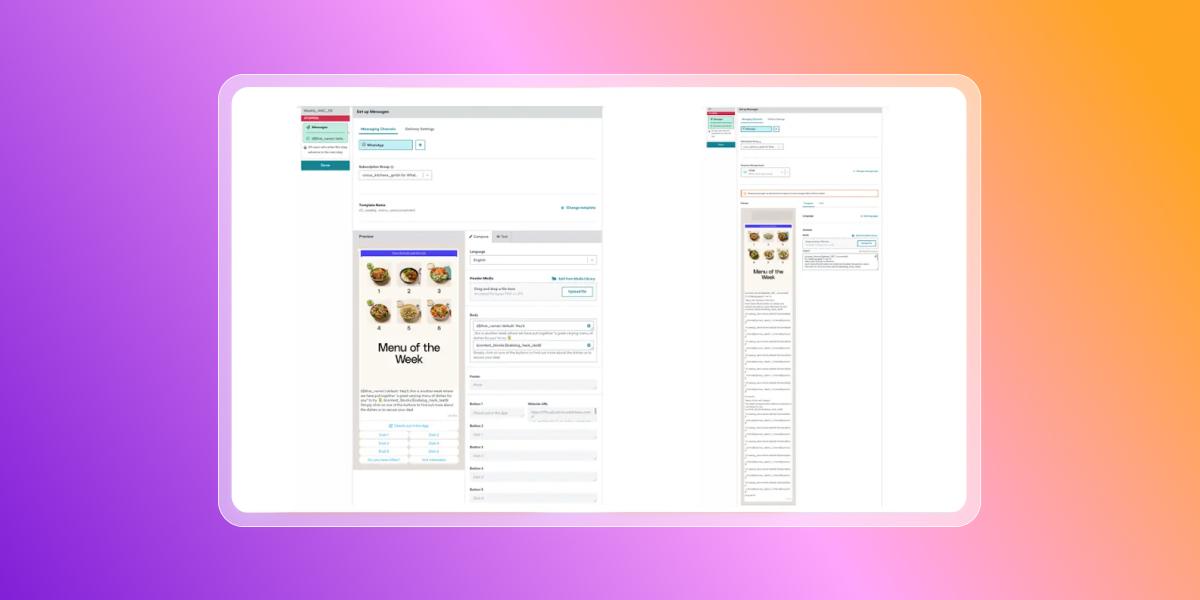
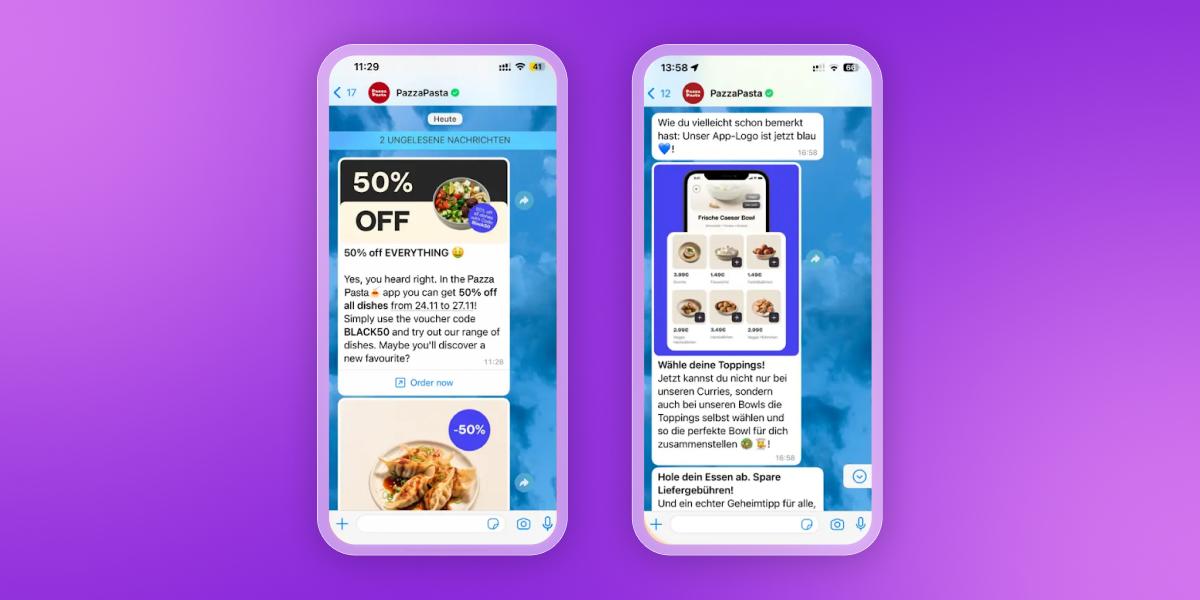
Italian restaurant chain Pazza Pasta, part of Circus Group, wanted to bring customers back more often and make their communications feel as fresh as their food.
The challenge
To re-engage lapsed diners and drive repeat orders using WhatsApp as a high-intent channel.
The strategy
Personalized weekly menu campaigns on WhatsApp, powered by dynamic content and automated orchestration.
The results
- 6x higher purchase rates on WhatsApp versus email for the weekly menu campaign
- 4.5x higher “product added” conversion versus email for new product announcements
- 50% app open rate on the Black Friday WhatsApp campaign
Fit for the future: 8fit predicts what users need next
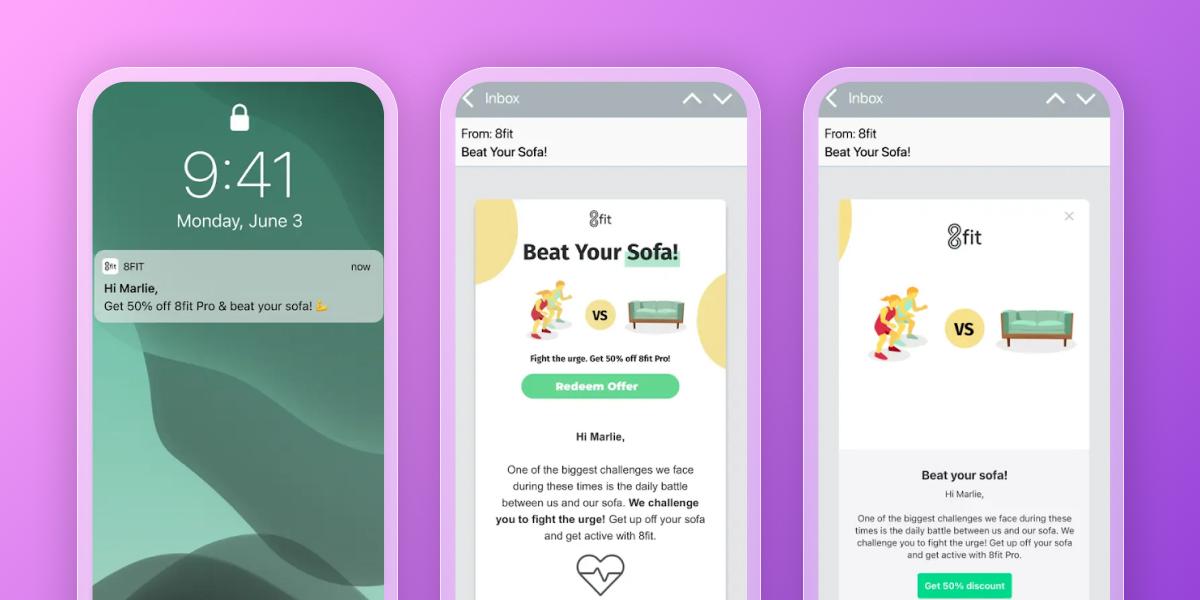
8fit, a global health and fitness app, aimed to boost conversions and reduce churn by understanding when users were most ready to take action.
The challenge
To increase paid conversions by targeting offers to users most likely to purchase.
The strategy
Using predictive modeling, 8fit segmented users by likelihood to convert and delivered personalized offers across channels. Automated experimentation helped refine messaging and timing continuously.
The results
- 3.75x increase in conversions compared with other campaigns
Media that moves: NZME and OneRoof optimize for attention
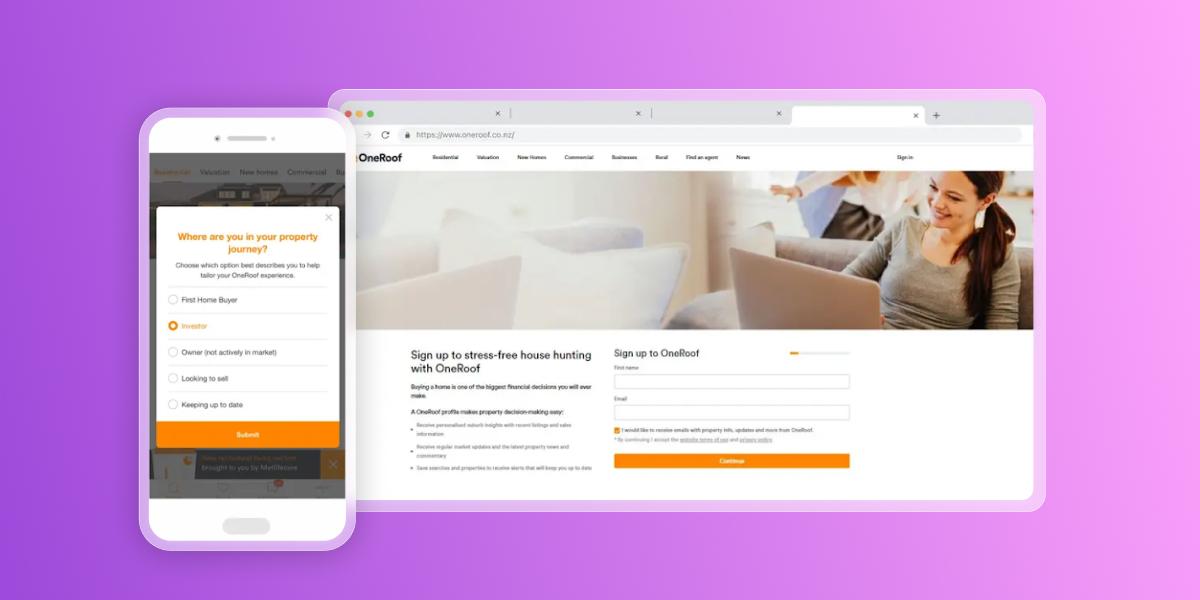
New Zealand’s NZME wanted to strengthen engagement on its OneRoof property platform by connecting behavioral data with personalized, relevant communication.
The challenge
Grow engagement with property listings through data-driven personalization and timing.
The strategy
By combining declared data through Profile Builder with Intelligent Timing and localized content, NZME created coordinated journeys that matched each user’s property interests in real time.
The results
- 23% increase in email click-to-open rate
- 218% uplift in total clicks to property listings
- 57% uplift in unique clicks
Final thoughts on marketing optimization
Marketing optimization has evolved from reporting on what happened to improving what’s happening now. With AI, automation, and connected data, marketers can understand performance as it unfolds and make faster, more informed decisions.
For many brands, progress now depends on using their data more effectively—turning information into decisions that drive engagement, conversion, and long-term growth.
Marketing optimization FAQs
What is marketing optimization and how does it work?
Marketing optimization is the process of using data, testing, and automation to improve campaign performance. It works by turning insights into timely actions that increase engagement, conversion, and ROI.
How can AI improve marketing optimization?
AI improves marketing optimization by learning from customer behavior and adjusting campaigns automatically. It predicts outcomes, personalizes experiences, and removes the lag between insight and action.
What are the best marketing optimization strategies?
The most effective strategies use connected data, automated experimentation, and clear performance metrics. Together, they help teams make smarter decisions and refine campaigns continuously.
What’s the difference between automation and optimization in marketing?
Marketing automation handles delivery, like sending emails or scheduling push notifications. Optimization focuses on improving how those messages perform through testing and learning.
What does marketing optimization mean today?
Today, marketing optimization means continuous improvement. It’s about using intelligence and real-time data to adapt campaigns while they run, not after.
How is AI changing marketing optimization?
AI is changing marketing optimization by making it adaptive and predictive. It helps marketers anticipate customer needs, refine targeting, and deliver more relevant experiences.
What KPIs should be tracked for effective optimization?
Track engagement rate, conversion rate, retention, and ROI. The right KPIs depend on your objectives but should link directly to customer or business outcomes.
How does Braze support real-time marketing optimization?
Braze connects real-time data, AI decisioning, and cross-channel orchestration to help brands personalize experiences and optimize performance continuously.
Related Tags
Be Absolutely Engaging.™
Sign up for regular updates from Braze.