The finals are over. For marketers, the question is now what?
Published on June 15, 2026/Last edited on June 15, 2026/5 min read


Matt Kreisher
Senior Content Marketing Manager, Braze, BrazeContents
Professional basketball is renowned for its storylines. The new ascendancy of the traditional dynasty. The young superstar forcing his way onto the global stage, impatient at the notion of waiting his turn. The storylines drive professional basketball from opening-night tip off to the champagne celebrations after the final buzzer of the year sounds.
The stories of the world’s best basketball teams and athletes power the biggest moments of the season. They even bleed into the quiet summer months as the draft promises new hope for every franchise. Traditionally, sports marketing has built its calendar around the biggest moments: Opening day, bigtime matchups, the playoffs. But the relationship between fans and sports is fracturing. With that disruption comes time to rethink how organizations should engage their fans.
As the cost of viewership and attendance increases, as streaming options make it harder to tune into every game, marketers are forced to work harder to maintain relationships in the quieter moments.
How did we get here?
Professional sports are a zero-sum game. Only one team reaches the pinnacle of calling themselves champions at the end of the season, meaning the vast majority of sports fans leave the season feeling at least somewhat disappointed. The severity of fan disappointment depends on any number of factors, and traditionally it hasn’t kept most people from tuning in the next year.
But that was when “tuning in” was as easy as flipping to the right station. And going to the game meant paying a modest sum to sit in the bleachers and cheer (or boo) your favorite players. But ticket prices have risen 123% since 2000, which is 40% higher than inflation for all consumer goods in the same timeframe. For the sports obsessed at-home viewer, the yearly cost of watching all three major American sports is $2,634 a year.
What does this mean for marketers? As costs rise, fans need more incentive to stay locked into their favorite teams. The social construct sports fandom was built on is eroding. Whether they are ready for it or not, marketers will need to step in to stop that erosion, and that’s where the concept of fan equity comes in.
What is fan equity?
In our new white paper, “If you build it…will they stay,” fan equity asks the question, “was it worth it?” Franchises are businesses that think in margins and costs while fans speak the language of community and loyalty. Many organizations lack the “a coherent way to hold business logic and fan logic in the same frame at once.” In other words, if the financial and opportunity costs of a season aren’t worth it, no amount of winning can replace the bad taste in a fan’s mouth.
Belonging starts with fans feeling heard, like they’re a part of the process. This could be as small as surveying fans about new food options for the next season, or as big as polling fans about upcoming draft picks.
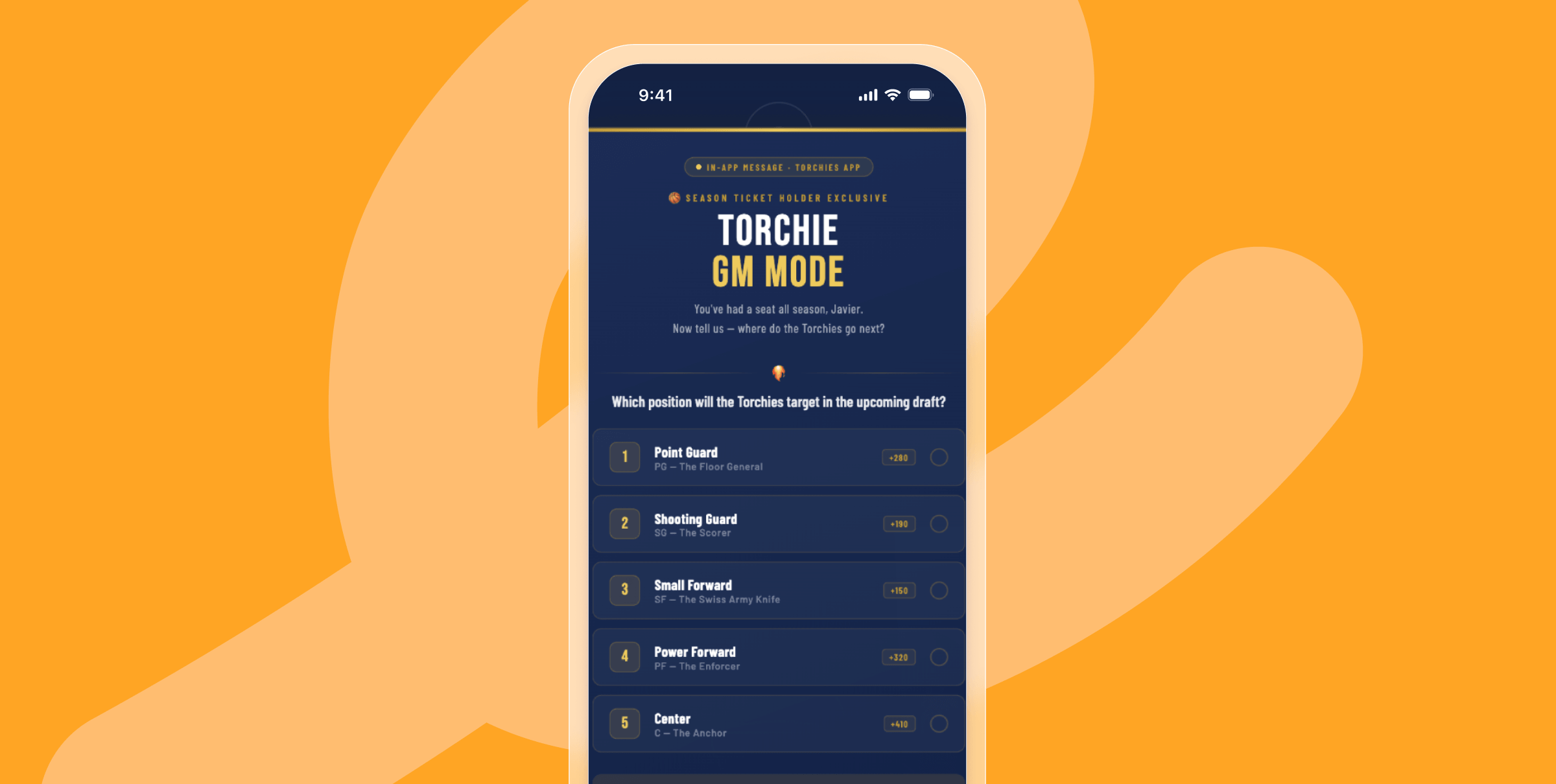
Fan equity is the measure of durability between fan and franchise. And it's built in the quiet moments when fans have less incentive to engage with the team. Now that the offseason has officially begun, teams should embrace an approach that engages fans year round and based on their individual preferences.
Building fan equity year round
Transactions don’t have to feel transactional. To build fan equity, sports organizations need to start by understanding how unique each fan’s relationship is to their team. A casual fan is still a fan, but they are fundamentally different from someone who watches all 82 games of their favorite basketball team. Yet, most organizations treat them the same, sending the same batch-and-blast marketing campaigns with little to no personalization efforts. The un-personalized nature of these messages accentuates the transaction, not the relationship.
Similarly, focusing only on the tent pole moments–big Saturday night home games, upcoming playoffs runs, etc.–doesn’t give most fans reason to tune in when their team is playing a Tuesday night road game in New Orleans or Sacramento. Fostering real relationships means keeping fans engaged with content based on their preferences and on the channel where they’re most likely to interact. The goal is to supplement the big with the small, understanding that the season is long and sometimes fan attention wanes. Marketers can help sustain that attention during lulls.
Relationships are personal. Sports fans know this better than most. Fandom is often passed down from generation to generation, or it’s fostered between a city and its citizens. Everyone has that one moment that made them a die-hard or even a casual fan. It’s time marketers follow suit, accentuating the individual and not the organization’s business interests. Doing so doesn’t ignore the business side of sports, it strengthens the relationships that grow the business.
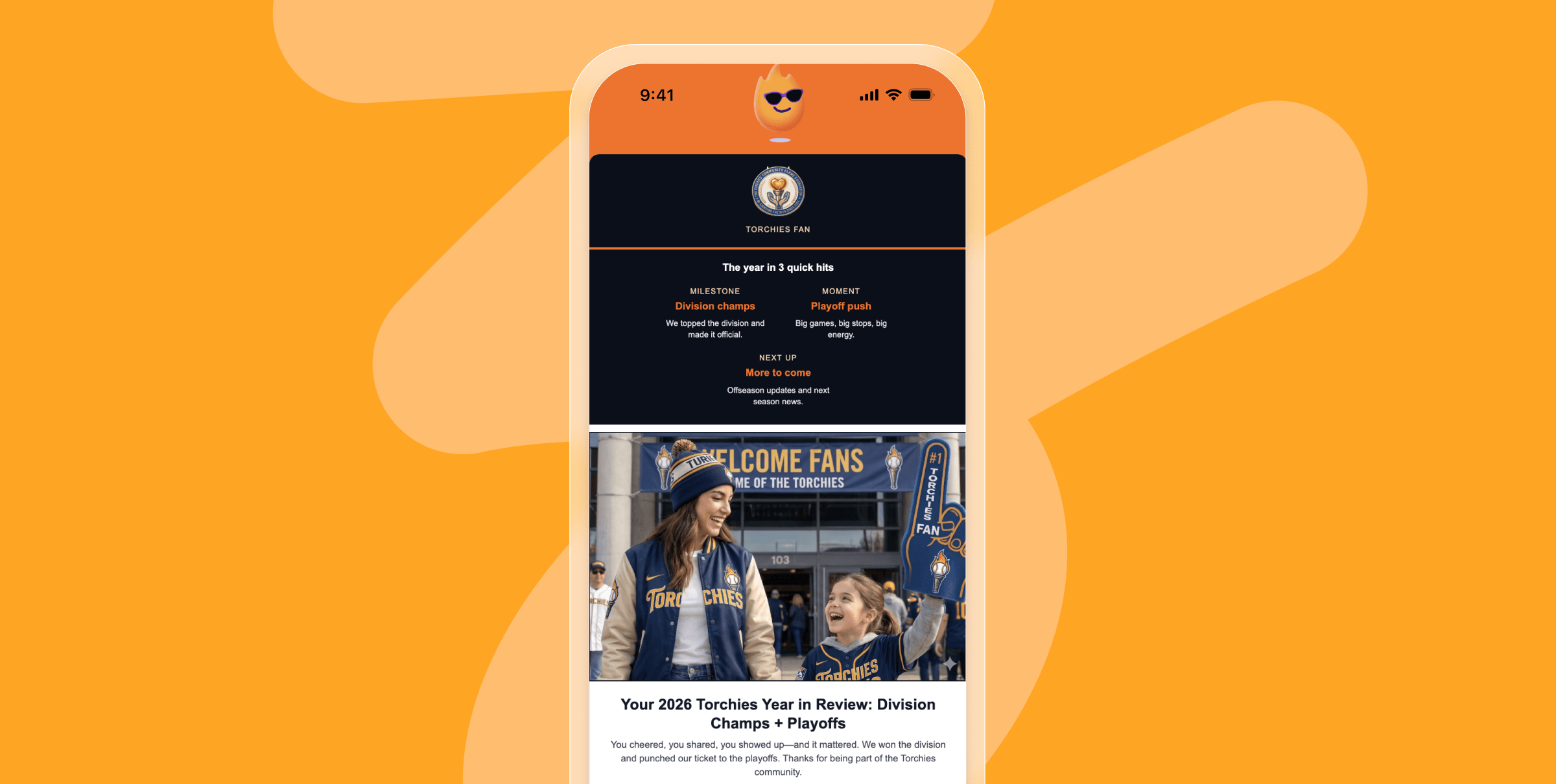
One example is the year in review campaign. First popularized in the streaming media space, year in reviews help fans look back on the highlights of the year. Sports mean something for anyone who attends a game–a child’s first game, a reunion of old friends, a family tradition. Reliving these memories are more than wins and losses or stats in a box score. They unlock core emotions that can strengthen bonds between fans and their favorite teams.
Fan equity starts now
Sports fans aren’t passengers. Their dedication and devotion should be rewarded by the teams they love by making them participants. By shifting the focus to the personal needs of each fan, sports organizations can change the narrative, making the modern fan experience less about the fracturing nature of the landscape and more about making fans feel like they are shaping the relationship with their favorite teams.
Marketing to a decades-long season ticket holder shouldn’t sound the same as engaging a fan who attends a couple games a year. The organizations that understand this, the ones that capitalize on fan engagement, can build a foundation that lasts through whatever disruption comes their way.
Be Absolutely Engaging.™
Sign up for regular updates from Braze.