Beyond Predictions: Why Your Personalization Strategy Needs an AI Decisioning Agent
Published on February 09, 2026/Last edited on February 09, 2026/5 min read

George Khachatryan
VP, Head of AI Decisioning, Braze, BrazeContents
Most brands have a "personalization strategy," but very few have the technical infrastructure to actually execute it at scale. Traditionally, marketers have relied on predictive models to guess what a customer might want. But a guess isn't a decision.
AI decisioning agents represent a fundamental shift in lifecycle marketing. Built on reinforcement learning, these agents move beyond static predictions to autonomously execute, test, and optimize millions of individual customer journeys in real-time.
What is AI Decisioning? (And why it’s not just "predictive ML")
While standard propensity models are great at predicting a likely outcome (e.g., "This customer has a 20% chance of churning"), AI decisioning agents are built to take action to change that outcome.
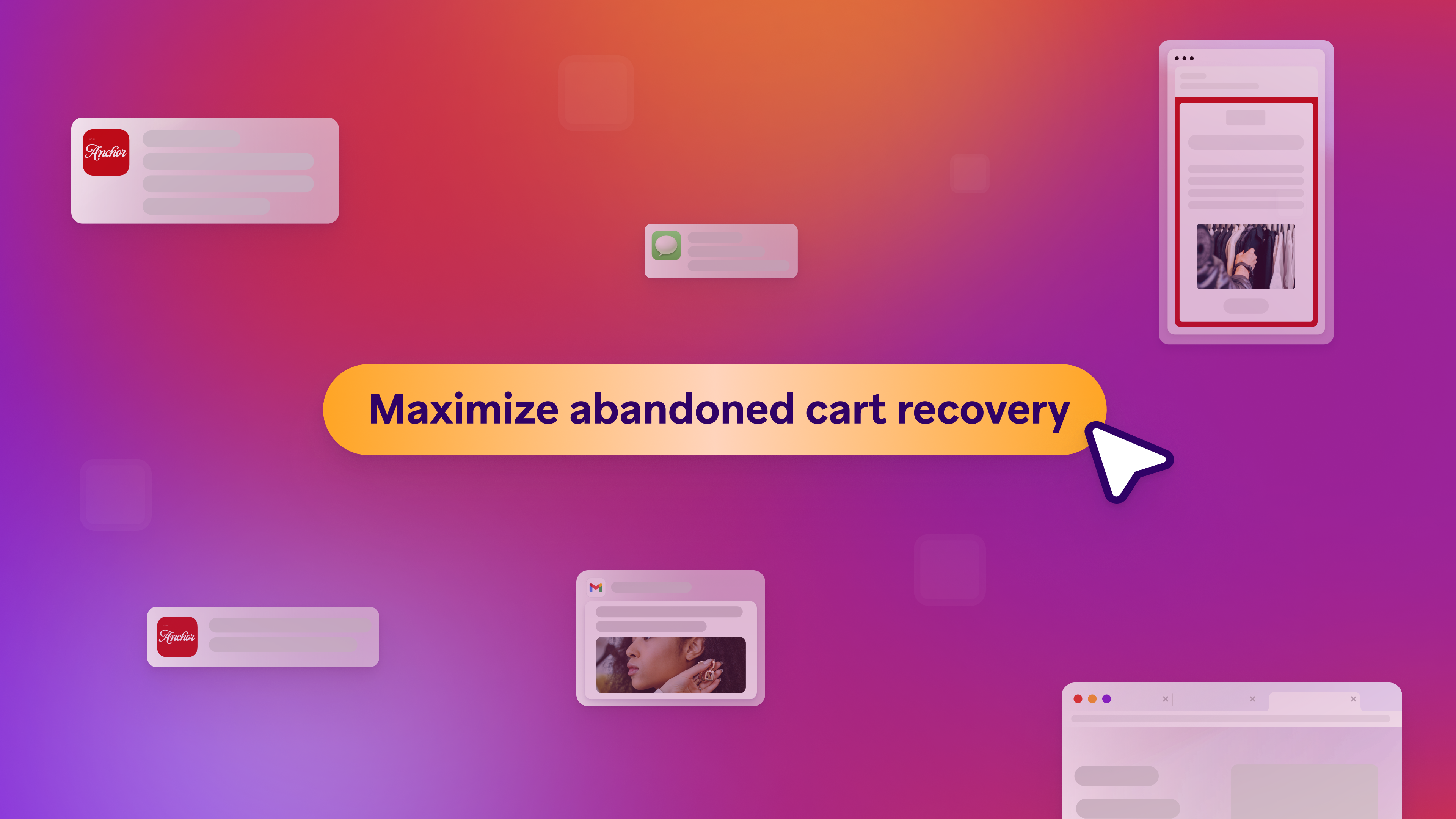
An agent begins with a specific business goal – such as "maximize abandoned cart recovery" – and a toolkit of variables: send times, image assets, copy variations, and channel options. The agent doesn't just wait for a human to set up an A/B test; it chooses the best combination for each individual, observes the reaction, and instantly updates its logic. It is a self-optimizing engine that turns customer data into a series of high-stakes micro-decisions.
Why "One-Size-Fits-All" Fails
For an AI agent to be effective, it must be deeply integrated into your brand’s specific logic. However, enterprises often get stuck between two equally flawed implementation paths:
1. The "Cookie-Cutter" Product Trap
Many SaaS vendors offer "out-of-the-box" AI features. While these are easy to turn on, they are notoriously rigid.
- The Problem: These tools usually operate as "black boxes" with fixed success metrics.
- The Result: You cannot customize the guardrails, integrate unique first-party data (which are usually the most informative signals), or align the agent with nuanced business goals. For a complex enterprise, a "one-size-fits-all" agent is effectively a "one-size-fits-none" agent.
2. The Custom Build Money Pit (In-House or Consultants)
On the other end of the spectrum is the "build it ourselves" approach. Whether using internal data science teams or high-priced external consultants, this path is riddled with hidden costs:
- The Speed-to-Market Problem: Building a custom reinforcement learning framework from scratch takes years, not weeks. By the time it’s live, your strategy has already shifted.
- The Fragility Factor: Custom-coded agents are notoriously difficult to maintain. When the lead engineer leaves or the data schema changes, the system breaks.
- Technical Debt: You aren't just paying for the build; you are paying for the perpetual monitoring, troubleshooting, and infrastructure scaling – activities that no one wants to do with costs that quickly scale into the millions.
The Middle Path: Forward-Deployed AI Services
The most effective way to deploy AI decisioning is through a specialized product that includes forward-deployed services. This model provides the robust infrastructure of a proven platform with the flexibility of custom engineering.
With Braze AI Decisioning Studio™, you aren't just buying software; you are gaining access to forward-deployed data scientists and success teams. This team acts as an extension of your own, handling the heavy lifting of:
- Configuring Complex Guardrails: Supporting the implementation of controls designed to maintain brand standards and help prevent over messaging..
- Custom Success Metrics: Moving beyond "clicks" to optimize for "revenue less promotional spend" or "long-term LTV."
- Edge Case Troubleshooting: Interpreting results and adjusting the agent’s "brain" as market conditions evolve.
Case Study: How Kayo Sports Built a 1:1 "Customer Cortex"
Kayo Sports, Australia’s premier sports streaming service, reached a ceiling with manual workflows. Even with a talented marketing team, they couldn't manually account for the infinite variations in fan behavior across 50+ sports.
They used Braze AI Decisioning Studio™ to build what they call a "Customer Cortex." Rather than relying on a static "next best action" model, they deployed agents that autonomously selected the content, timing, and channel for every subscriber.
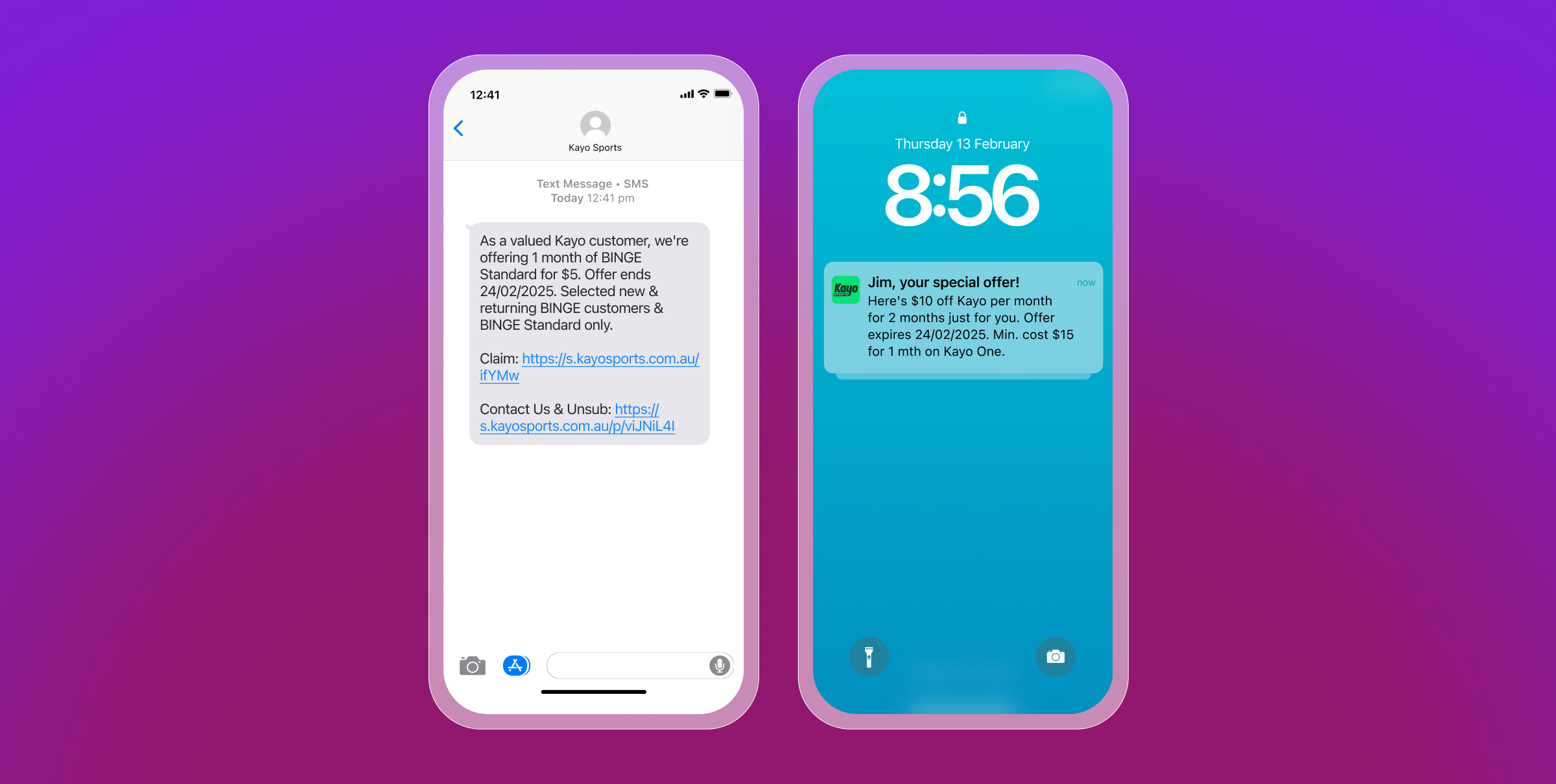
The Results of This Autonomous Decisioning:
- 14% increase in churned customer reactivations.
- 8% increase in average annual occupancy.
- 105% increase in cross-selling to sister brands.
Final Thoughts
AI decisioning is the difference between knowing your customer and serving your customer. To move the needle on the bottom line, your agents must be as unique as your brand – but they shouldn't require a permanent, multi-million dollar engineering overhead to exist.
By combining a platform with forward-deployed expertise, you can stop building the "plumbing" of AI and start reaping the rewards of true 1:1 engagement.
Interested in learning more? Visit the BrazeAI Decisioning Studio™ page today.
Forward-Looking Statements
This blog post contains “forward-looking statements” within the meaning of the “safe harbor” provisions of the Private Securities Litigation Reform Act of 1995, including but not limited to, statements regarding the performance of and expected benefits from Braze and its products and features, including without limitation BrazeAI Decisioning Studio™. These forward-looking statements are based on the current assumptions, expectations and beliefs of Braze, and are subject to substantial risks, uncertainties and changes in circumstances that may cause actual results, performance or achievements to be materially different from any future results, performance or achievements expressed or implied by the forward-looking statements. Further information on potential factors that could affect Braze results are included in the Braze Quarterly Report on Form 10-Q for the fiscal quarter ended October 31, 2025, filed with the U.S. Securities and Exchange Commission on December 10, 2025, and the other public filings of Braze with the U.S. Securities and Exchange Commission. The forward-looking statements included in this blog post represent the views of Braze only as of the date of this blog post, and Braze assumes no obligation, and does not intend to update these forward-looking statements, except as required by law.
Related Tags
Be Absolutely Engaging.™
Sign up for regular updates from Braze.
Related Content
 Article16 min read
Congratulations to the Forge 2026 Torchie Awards winners
September 29, 2026 Article6 min read
Bring 1:1 decisioning to every marketing journey with BrazeAI Decisioning Studio™ Go
September 28, 2026 Article12 min read
Made for this: How Braze is providing new ways to build, support, and extend your campaigns
September 28, 2026